Rosmy Pol Rojas, Ph.D.: Teaching is an act of courage and deep commitment.
UPB Undergraduate and Graduate Teacher
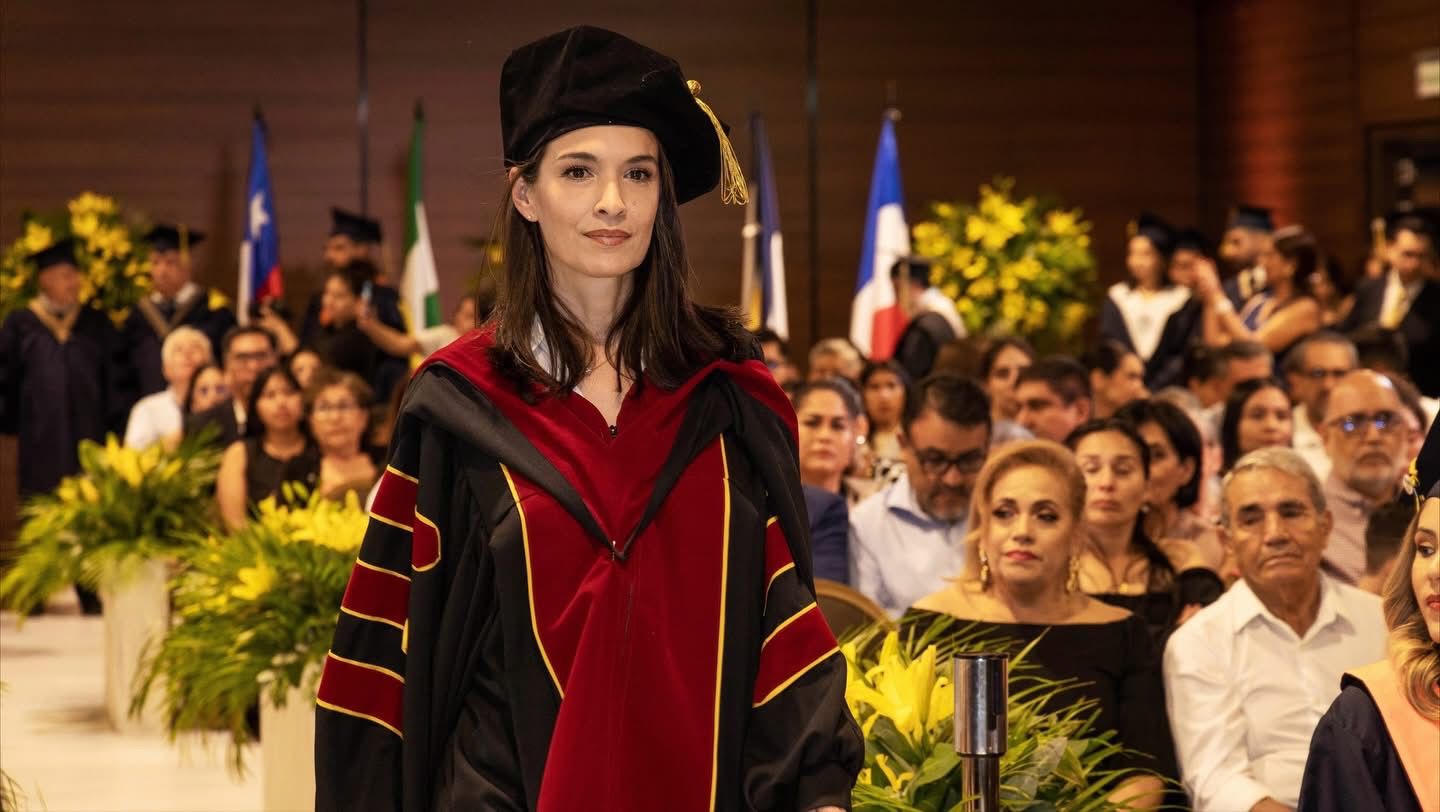
For over twenty-five years at the Universidad Privada Boliviana, Rosmy Tamara Pol Rojas, Ph.D., has made a committed and active contribution to the consolidation of academic and institutional excellence at UPB. Throughout her brilliant career, Rosmy has held various roles encompassing teaching, university management, and academic leadership; today, as she leaves the Vice Presidency of Graduate Studies, her legacy is indelible. Her journey reflects a rigorous vision of education, where knowledge, ethics, and commitment to the country's development are articulated as fundamental axes of higher education.

You have built a solid trajectory within UPB, from the classroom to high management roles, what lessons has that path left you about female leadership in academia?
Over more than twenty-five years at UPB, I had the opportunity to take on different roles that allowed me to know the institution from multiple perspectives. Each stage represented a space for learning and growth, reaffirming that female leadership in academia is built from collaboration, active listening, and mentorship. Leading with authenticity, coherence, and empathy has been key to strengthening committed academic communities and promoting solid and innovative environments. Working with highly professional teams allowed us to consolidate a robust academic offering and project an institutional presence with national and international reach.
We live in a time when knowledge advances at the pace of technology, how is human and ethical training kept relevant?
Technology has profoundly transformed educational processes, but it can never replace ethical judgment or critical awareness. Higher education must integrate innovation with humanist thinking, ensuring that professional training is guided by values, social responsibility, and continuous reflection. Training cannot be limited to technical competencies; it must develop an ethical awareness that guides decision-making and the impact of professional actions.
From your experience, what is today the biggest challenge of graduate studies in Bolivia and Latin America?
The main challenge is to achieve a balance between relevance and quality. Graduate programs must effectively respond to the social, economic, and cultural needs of the environment, without losing academic rigor or international projection. Advanced training has the responsibility to prepare professionals capable of interpreting global challenges and leading processes of transformation in their fields of action.
What led you to make education the cornerstone of your professional life?
From my early teaching experiences, I understood that teaching goes far beyond transmitting content. Accompanying processes of human and professional development, and seeing students discover their potential or transform their way of thinking, is one of the greatest rewards of this vocation. In graduate studies, this process attains an even deeper dimension because learning becomes a dialogue among peers focused on practice, research, and innovation.
Your training combines law, economics, administration, and educational management, how does this interdisciplinary perspective influence your view of higher education?
This combination of disciplines allowed me to understand higher education from a comprehensive perspective. Law provides the ethical and institutional framework; economics, sustainability and efficiency; administration, strategic planning and decision-making; and educational management translates these ideas into concrete actions directed at learning and continuous improvement. This interdisciplinary view has been key to leading academic teams with a broad perspective, integrating ethics, innovation, and management as axes of institutional development.
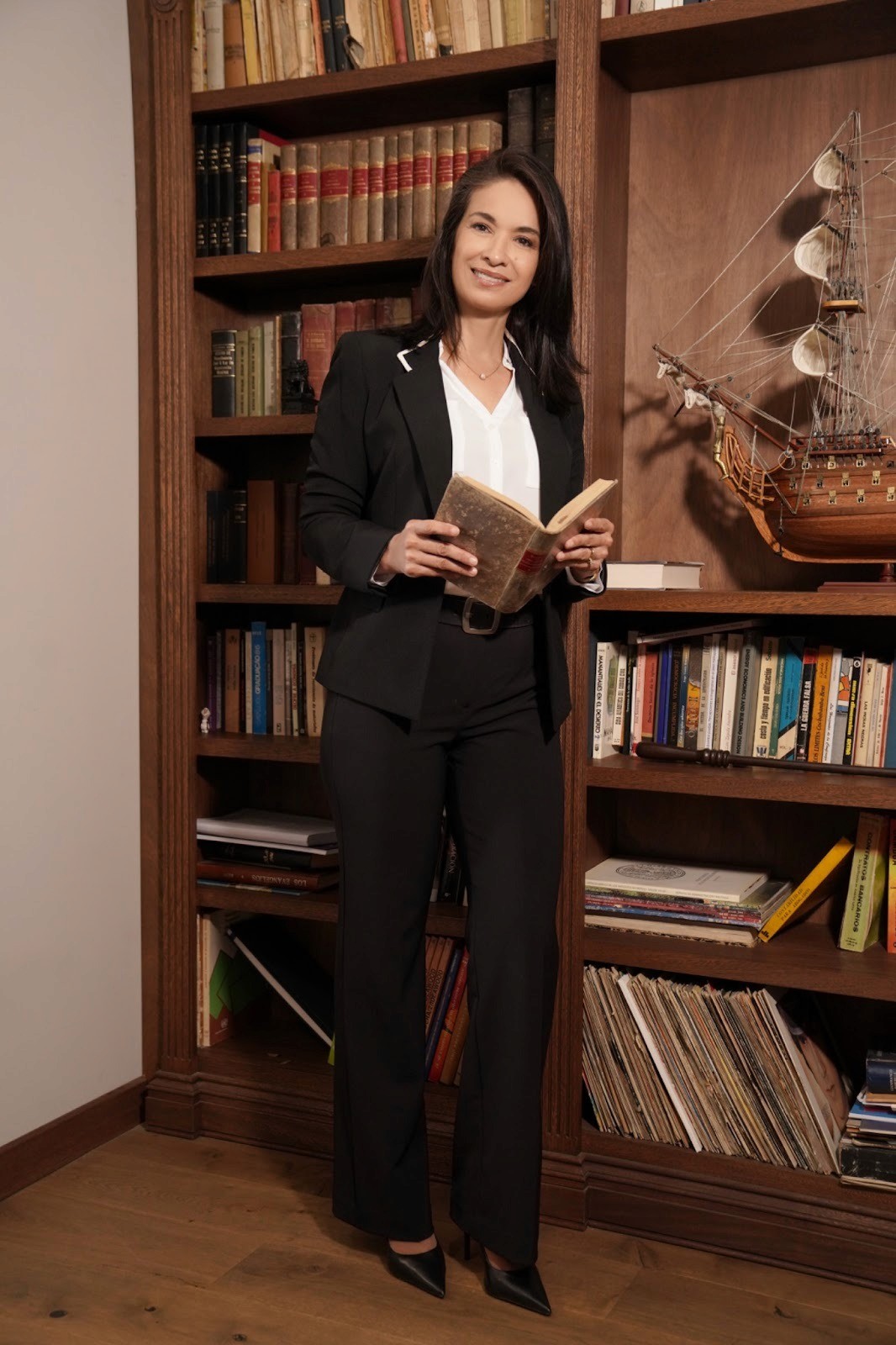
If you had to define the UPB seal in one word, what would it be and why?
Excellence. Not understood only as high academic performance but as a comprehensive way of acting based on commitment, ethics, passion for knowledge, and a constant connection with the needs of the country. UPB trains professionals who actively contribute to Bolivia's productive, social, and academic development, and that is one of its greatest values.
In your years of teaching, was there a moment that reaffirmed that teaching was your path?
Many. In subjects related to management and conflict resolution, accompanying students in understanding and managing complex situations has been particularly significant. Seeing how they move from rigid positions to an open attitude towards dialogue and collaborative solution building confirms the deeply transformative power of education.
What would you say to those who today choose teaching as a professional path?
Teaching today is an act of courage and commitment. It is not about having all the answers but about accompanying students in formulating the right questions and building their own answers. Teaching involves adapting, integrating technology with critical thinking, and cultivating empathy as the foundation of meaningful learning.
What inspires you to keep leading, teaching, and shaping people?
I am inspired by seeing how education transforms lives in tangible ways. Each generation brings new ideas, challenges, and ways of looking at the world, which constantly renews the commitment to teaching. Converting these experiences into projects with real impact, strengthening academic communities, and fostering a culture of innovation and collaboration is one of the greatest motivations for academic leadership.
What reflection would you share with those who dedicate their lives to teaching?
That teaching is, above all, a profoundly human act. Beyond titles or technological advances, the true value of the educator lies in their ability to inspire, guide, and believe in the potential of others. Teaching is a form of silent leadership that accompanies, leaves a mark, and transcends the classroom.
INSIGHTS:
A book or movie that has marked you?: The Infinite in a Reed, by Irene Vallejo, for its reflection on the power of the written word and its ability to transcend time.
A person you admire deeply?: Nelson Mandela, for his ethical leadership, resilience, and coherence between values and actions.
A phrase or principle that guides your life?: "Man must be like bamboo: the more he grows, the more he must bend."
Your most prized possession?: Time and the ability to balance it between family, work, well-being, and learning.
A fear that you learned to transform?: The fear of not meeting others' expectations. Accepting strengths and vulnerabilities allowed for greater coherence and personal balance.
A flavor or favorite culinary experience?: Enjoying a good meal shared, where the moment and company make the difference.