

Radiocommunications Laboratory
Description
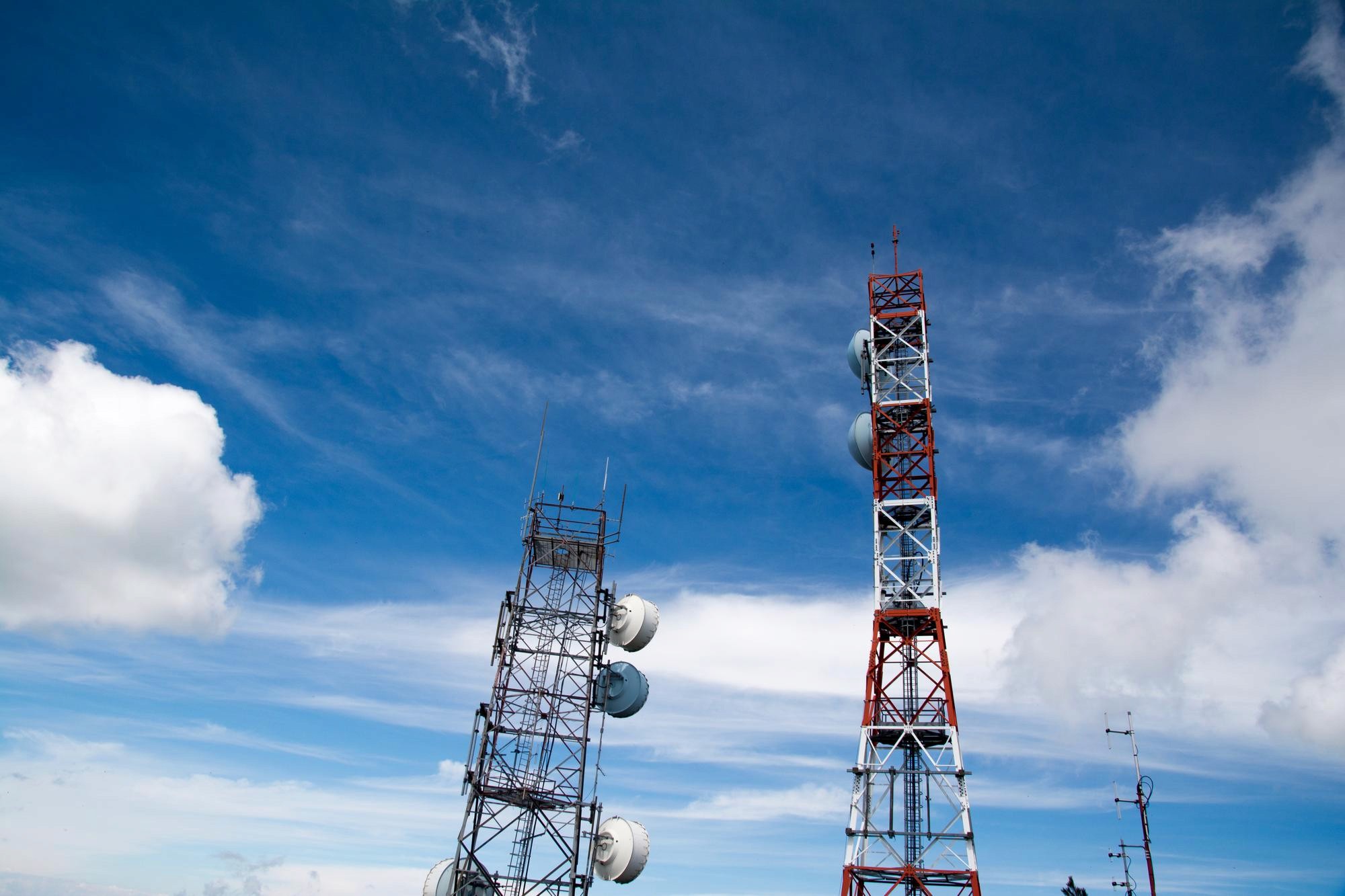
The Laboratory of Radiocommunications (LRC) develops applied research and academic activities in the field of radiocommunications, radio propagation, and applied electromagnetism, focusing on the analysis of signal behavior in different atmospheric and technological environments.
Research Areas
Atmospheric attenuation in terrestrial and satellite radiocommunication systems: study of the effects of rain, clouds, and gases on signal propagation.
Measurement and analysis of radio meteorology data: analysis of radiosondes, pluviometry, ERA5 climate reanalysis, and GNSS-based meteorology.
Implementation and measurement of radiocommunication systems: development and evaluation of systems using LoRa, SDR, and 802.11 technologies.
Teaching in radiocommunications and applied electromagnetism: training in satellite communications, wireless communications, radio propagation, and applied electromagnetism.
Institutional Approach
The LRC integrates research, experimentation, and teaching, contributing to specialized training and the development of technological solutions in the area of telecommunications.
Institutional Information
Creation date: February 2018
Unit Director

Gustavo A. Siles Soria
Tenured Teacher
+
591 (4) 4268287 Int. 537
Awards

Best Research Poster (Cochabamba, Bolivia - April 2024)
Organizer/s:
Category:
Project:
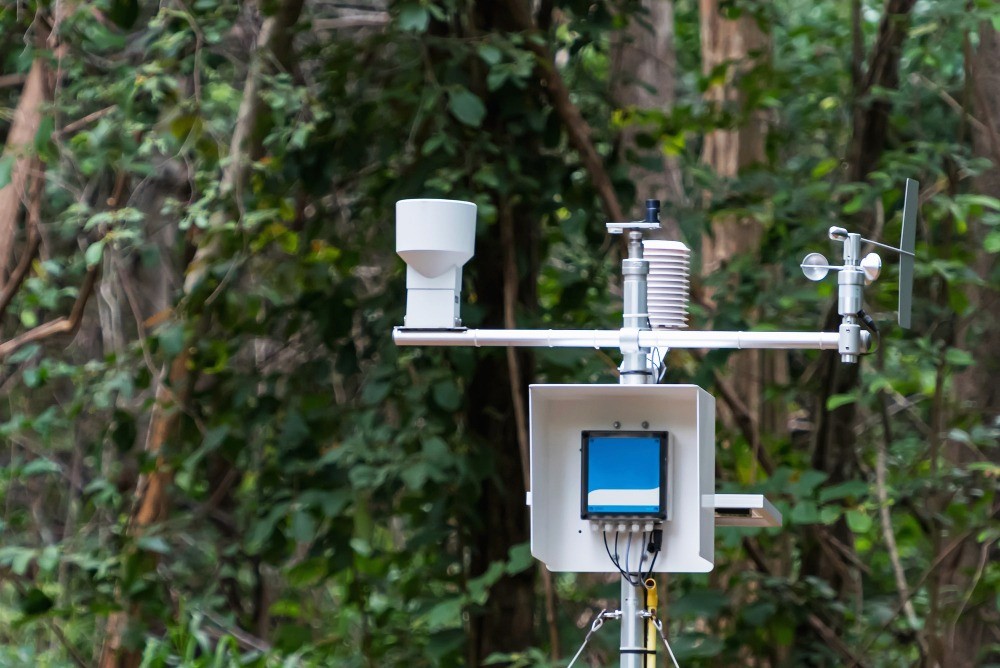
Use of precipitation data from the ERA5-Land climate reanalysis in radio propagation: case of the UPB rain sensor.
Plurinational Award for Science and Technology (La Paz, Bolivia - January 2024)
Organizer/s:
Category:
Project:
Comprehensive IoT Project with meteorological sensors and LoRa technology: Implementations, Testing, and Training.
IEEE Senior Member (2022)
Organizer/s:
Category:
Project:
Short Postdoctoral Fellowship (Madrid, Spain - December 2020)
Organizer/s:
Category:
Project:
Application of the ERA5 climate reanalysis in propagation studies for satellite communication systems.
Plurinational Award for Science and Technology (Tarija, Bolivia - September 2019)
Organizer/s:
Category:
Project:
Attenuation effects due to atmospheric gases and rain in the Ka band above 4000 meters altitude in satellite communications with the Túpac Katari satellite.